Dial-a-Tree Virtual Tree Nursery
Tree Stuff Blog
Uplifting Peach Anecdotes, by Ben Gaia www.dialatree.co.nz
www.dialatree.co.nz
Surround With Shelter
Our peach growing traditions come from France where they grow really well, but even there the brittle and sensitive Peach tree needs summer watering, and all round wind shelter. Ideally a walled garden would provide a solid wind barrier. This would allow peach blossoms to set and hang on through the spring storms and equinox gales. They insist on flowering a month earlier than apples, so they always run the risk of their poor wee flowers and fruitlets being hammered off by pounding Pacific cloudbursts. Peach trees are good for home and small gardens as they like all round high shelter from hedges and buildings. Being tended like pets seems to suit Peaches and also Citrus trees, in a sunny interior terrace or private shrubbery.
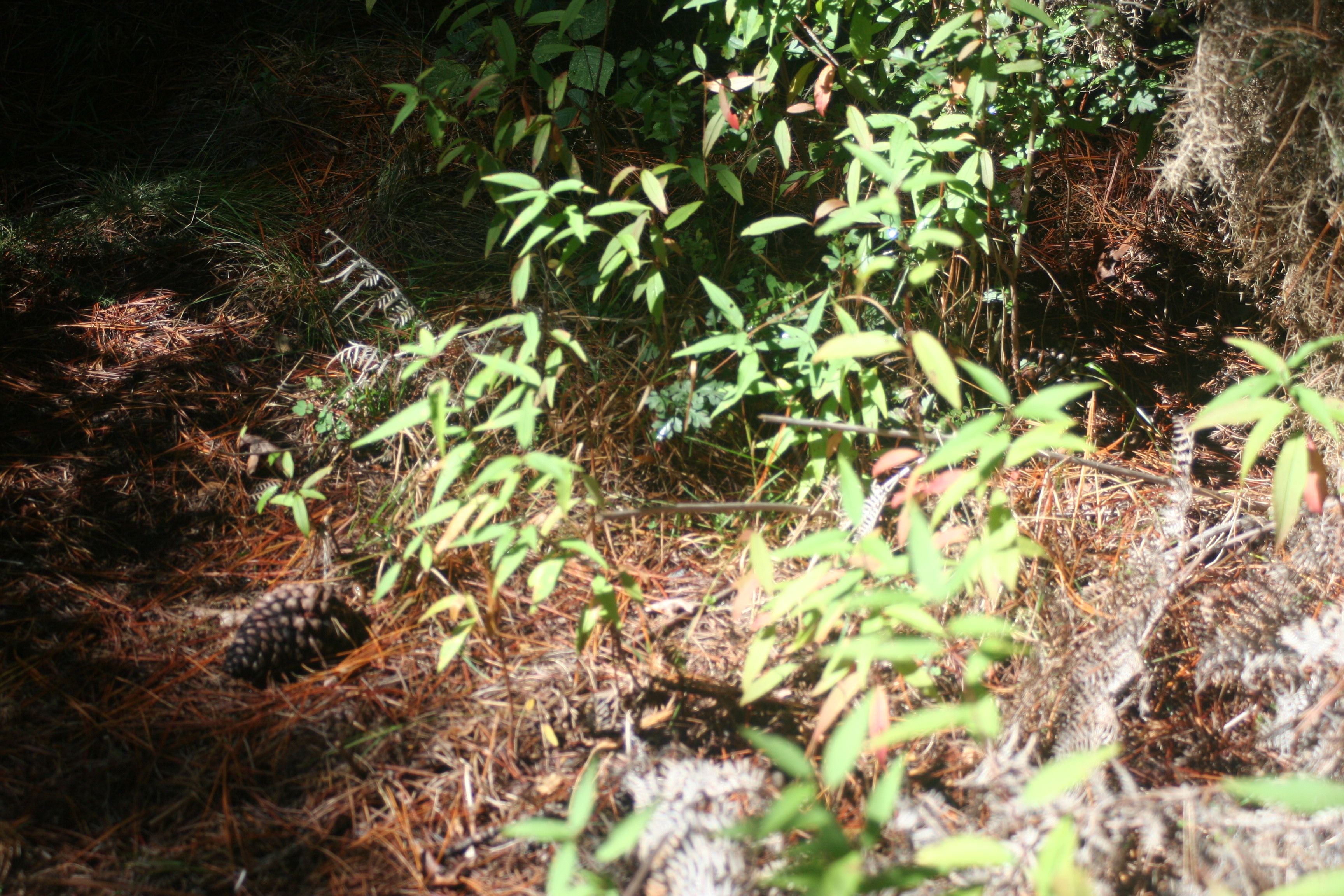
Young Peach trees growing in a sheltered spot.
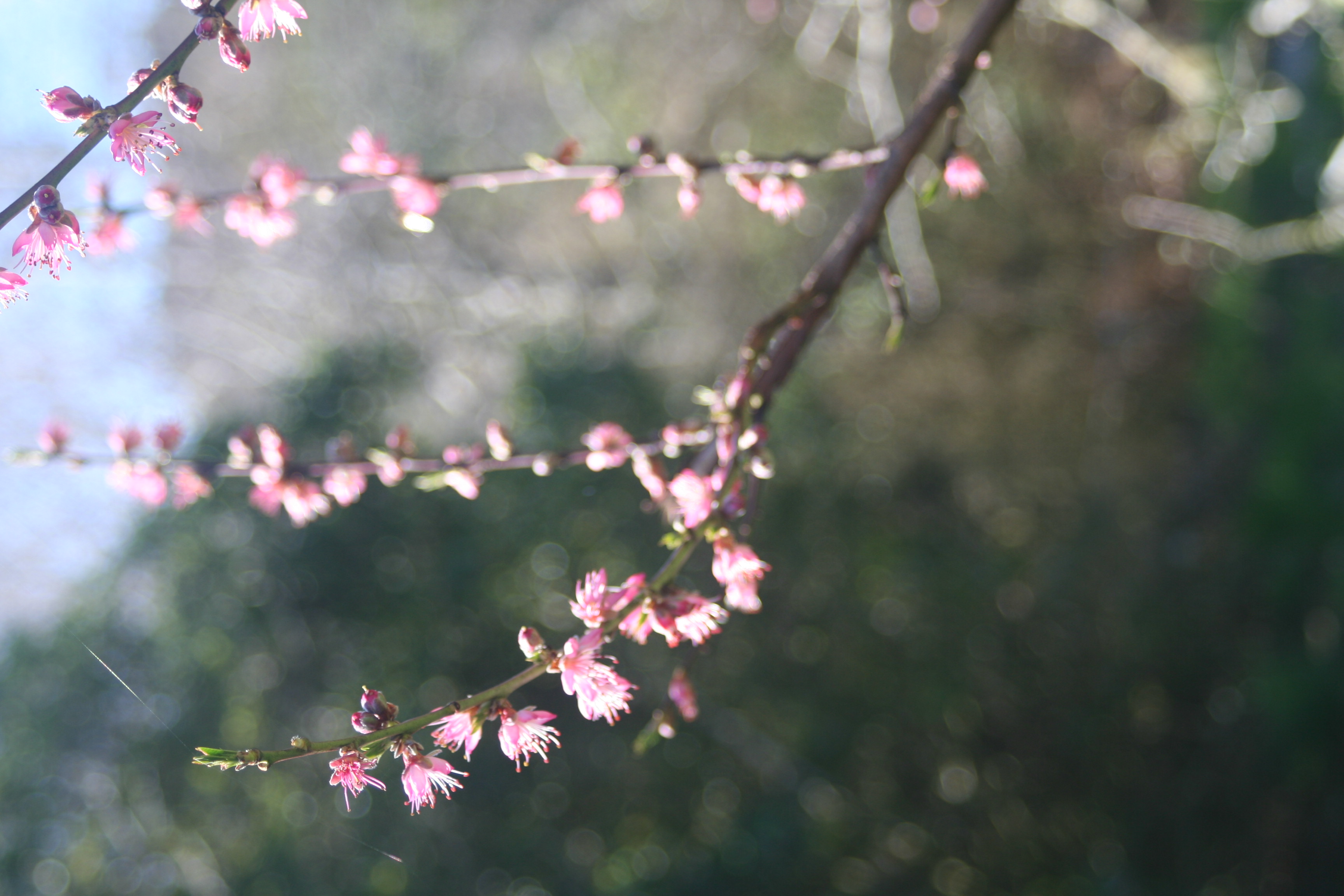
Golden Queen blossom
Occasional old soldiers do survive out in the wilds, such as one on the exposed Stanley Brook old road near Nelson. I like to think these are helping the sheep with their facial excema as the peach leaves are high in zinc. So - a good farm shelter belt tree as well. They like a good frost to set blossom, but not snow or blizzards. Or Westland Spring Gales! This year I watched as the lovely dark pink and pale pink flowers of my "Snow Queen" and Red Haven" varieties were destroyed and pounded into tattered rags by the October wind and sleet. But some blossoms seemed to hang on! No surprises, it was the old school varieties which have kept their flowers, and now hopefully their fruitlets, as the storms get further spaced out and warmer days approach.
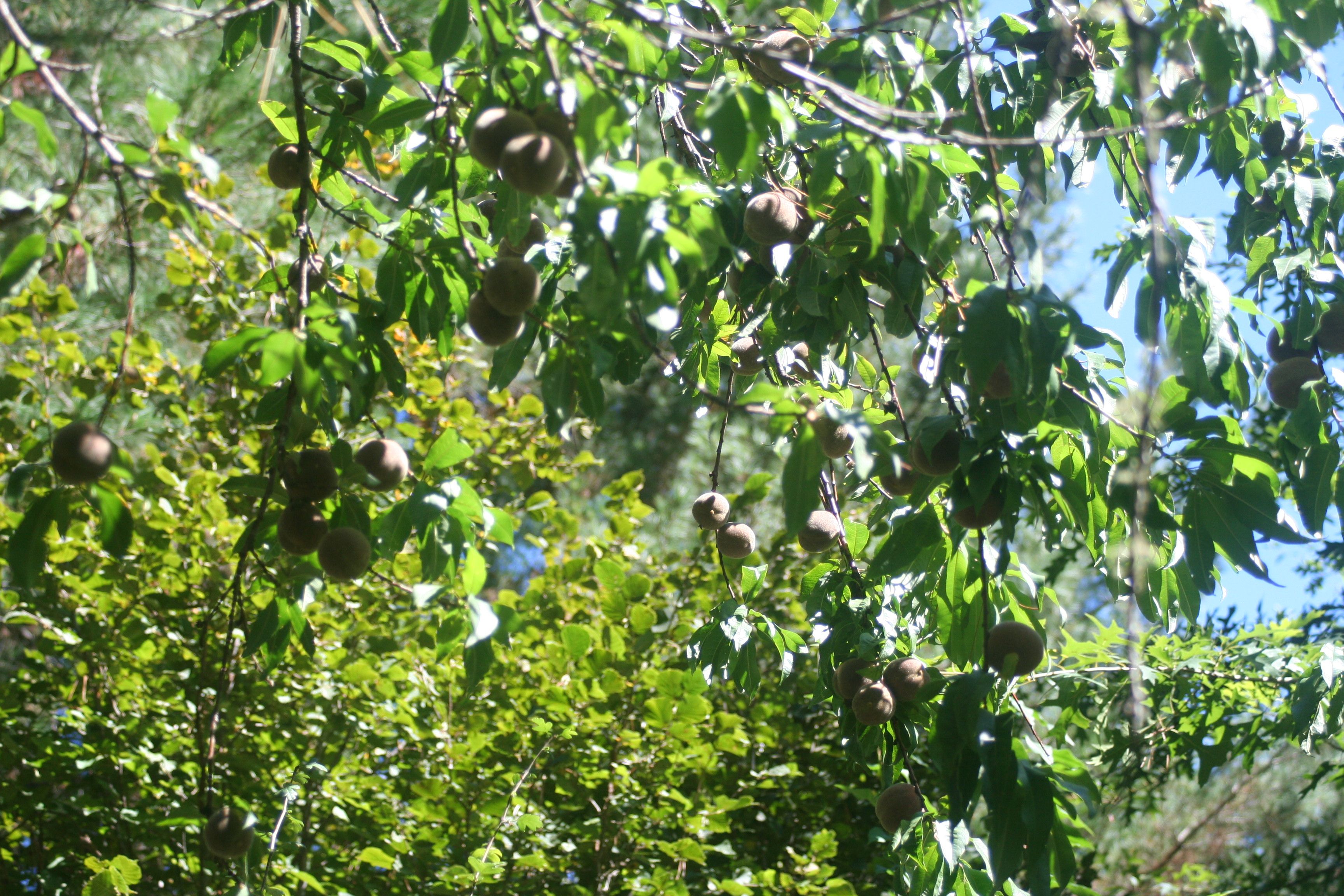
Varieties That Survive
So the suburban sheltered areas of NZ, such as inner Christchurch, grow the most wonderful giant yellow old fashioned peaches on big old garden trees. But the rougher your conditions, the less they like it, and storms shred all but the hardiest varieties on the West Coast. The old-school dark red bottling peach, and the sweet mushy Golden Queen, may still have crops even with this dreadful spring. I call the bottling peach "Dark Red Peach", because we have moved on from the insulting name "Black Boy". It has a lovely French name too: "Peche de Vigne" ( Pronounced "Pesh Deveen") They were traditionally planted as bee attractors at the end of vine rows in Southern France. They truly are divine. Eaten ripe or bottled, or cooked in summer crumbles, everyone loves them and they have been grown in Aotearoa since the early 1800s. Botanists have traced our dark red NZ peaches back to those French ones.
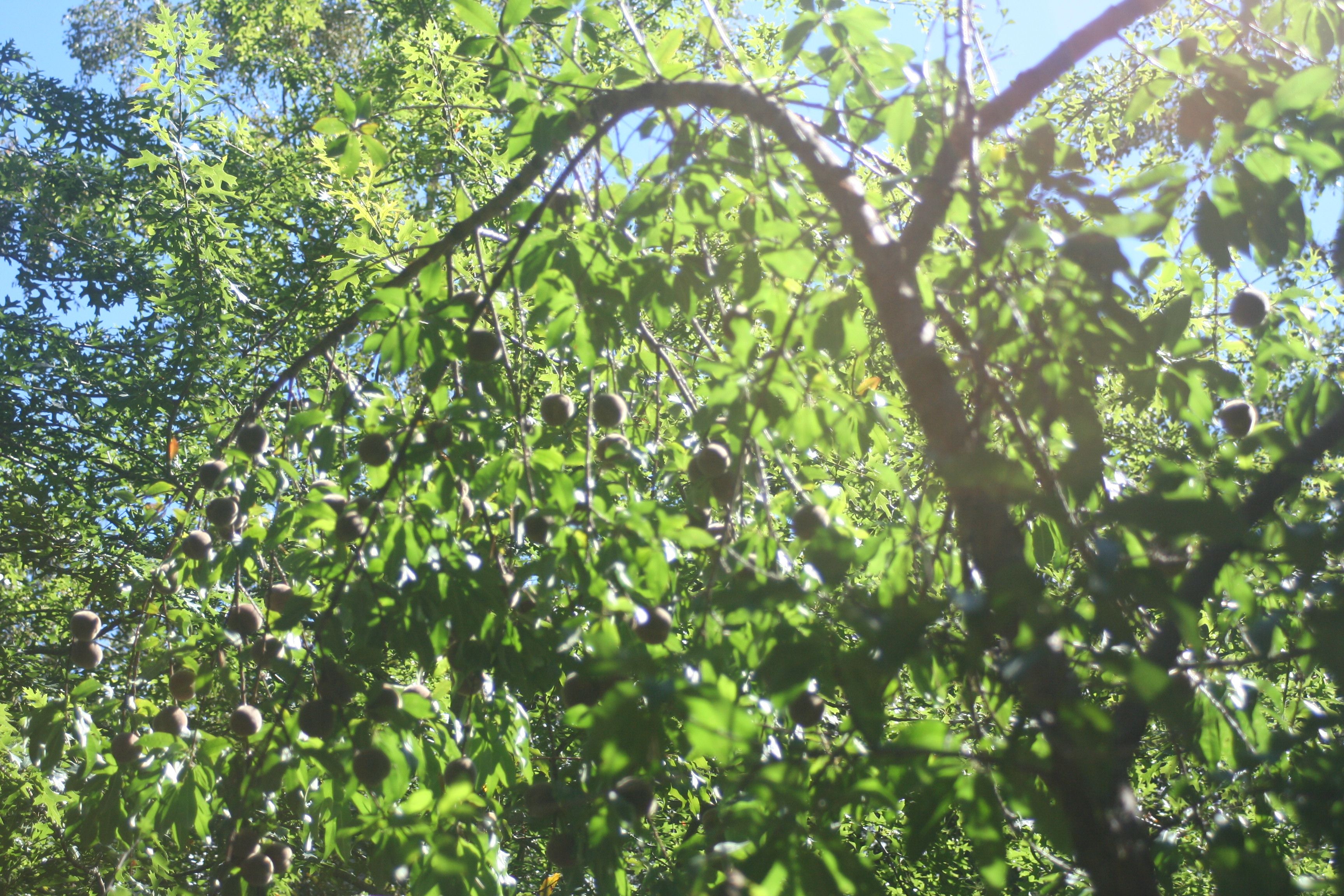
An old tree weighed down with summer fruit
It would seem from my own experience - and many dollars spent on research - that the flashier and more delicious sounding the variety, the less hardy it is. So disregard anything called "White", "Flatto", "Princess", etc if you live out of town, and a goat, a possum, or a gang of cicadas will probably eat what's left of them after winter anyway. Gone! A crumbling stick.
Exceptions to the "delicious sounding" inverse success rule are the ancient Chinese peaches "Peacherine" and "Nectarine", which are also commercial in the mild South of France and California. Given solid shelter, summer water, sunshine, and often grown as dwarf varieties, these will produce lots of yummy fruit more reliably than peaches. Again really suitable for a small garden or sunny courtyard, including inner city gardens. Our dwarf nectarine tree is completely inside the tunnel house. An east facing wall is also recommended, out of drying winds.
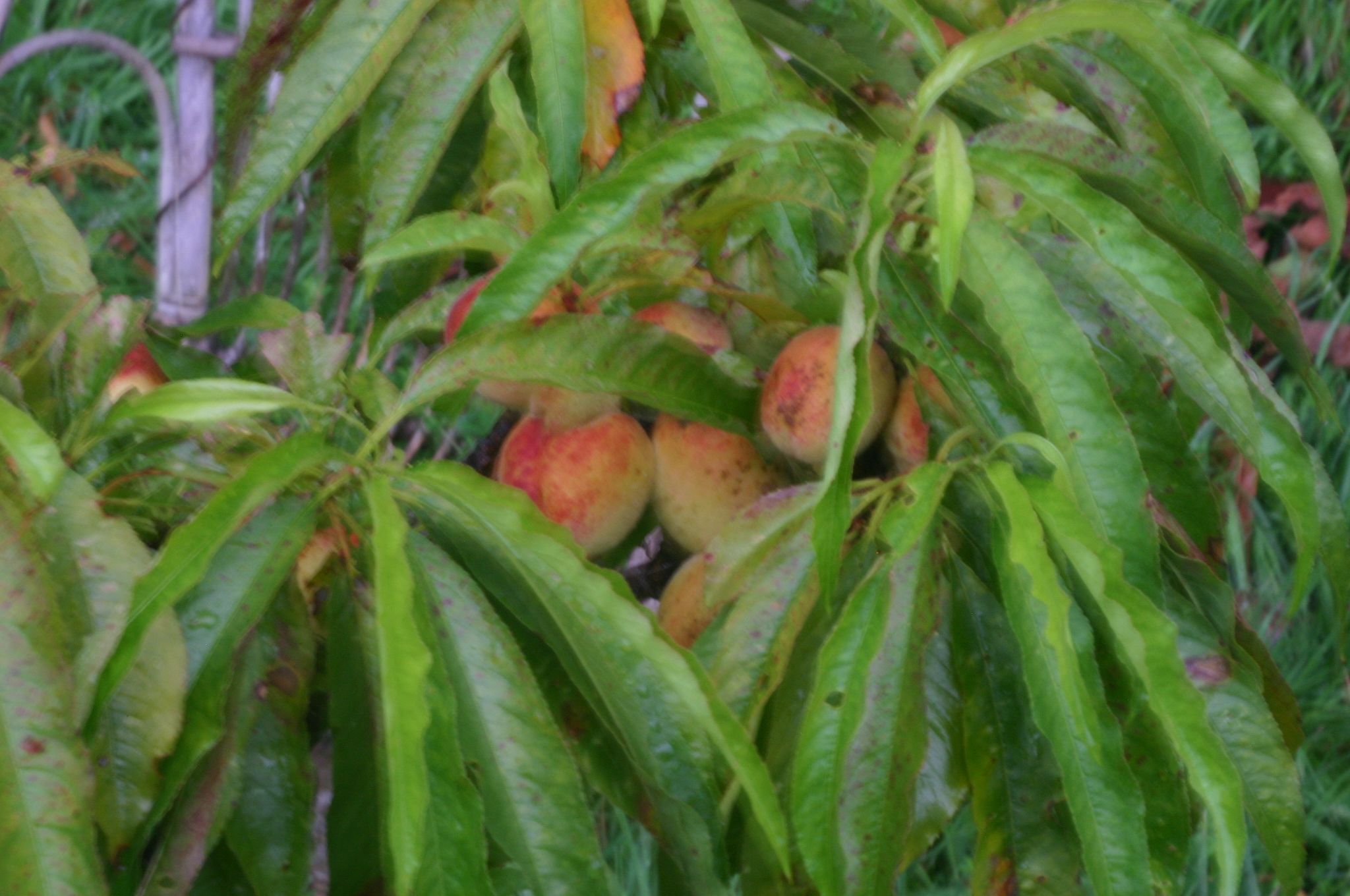
Peacherines fruiting just after Christmas
Up the Wall
The classic French style is to "fan" espalier the peach, apricot or nectarine tree across a sunny wall of your house or shed. Train into about five stems and tie them to wall fasteners like the spread fingers of a hand. They can be grown even in northern England this way up the warm red bricks. Old European stone walls are best for this of course, being daily solar heat sinks. So for best results, be sure to build a special Provencal stone cottage as well, just because it's ideal to espalier your peaches onto.
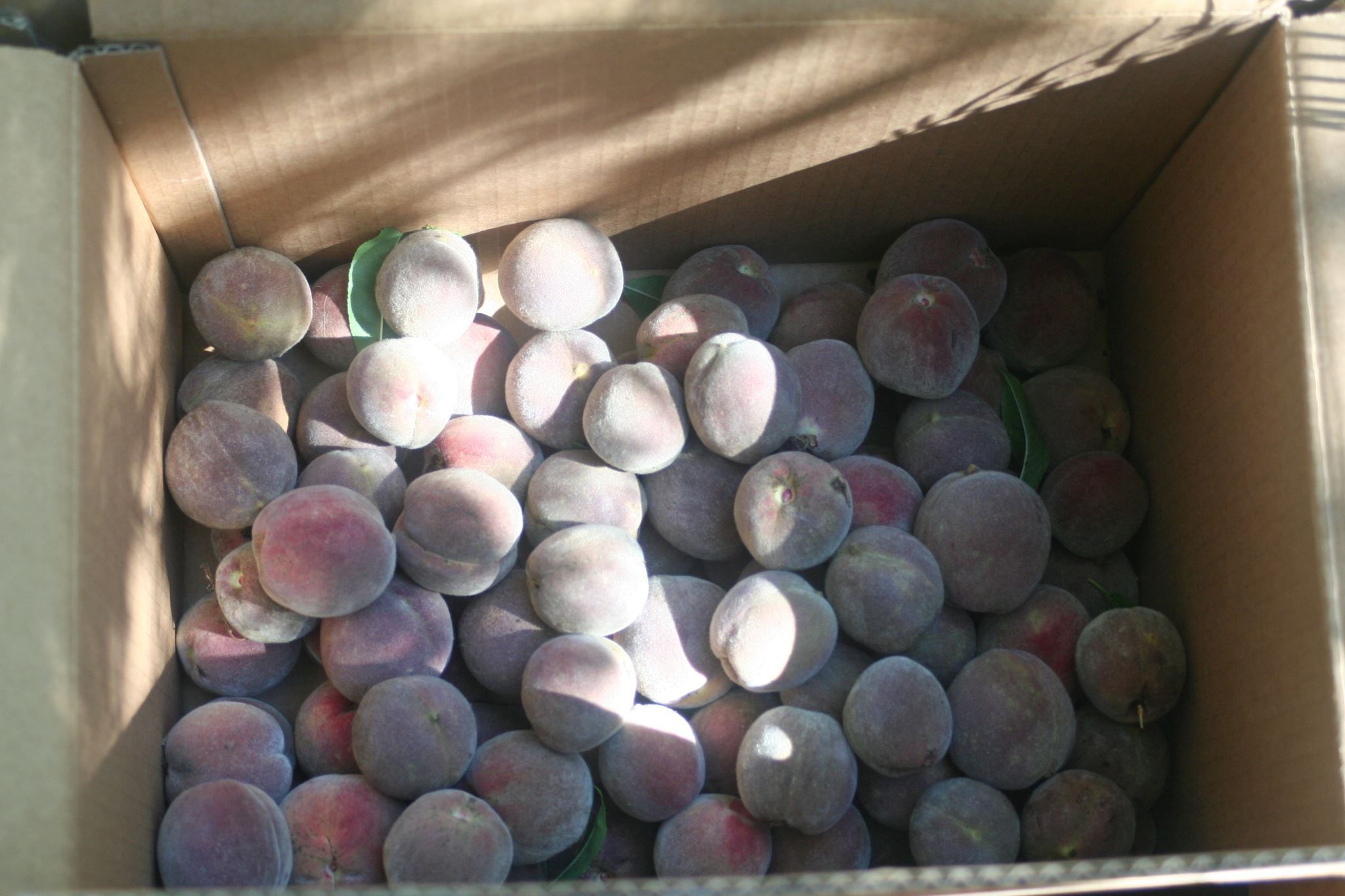
A good harvest from a 20 year old tree
We grow fruit and timber trees in the extreme climate of the South Island. Explore our mail order nursery for organic fruit and forestry trees.
Back to dialatree - and tree blog archive - www.dialatree.co.nz