Dial-a-Tree Virtual Tree Nursery
Tree Stuff Blog
Macrocarpa - The Unsung Hero Tree - by Ben Gaia, www.dialatree.co.nz
www.dialatree.co.nz
From the same small area of Monterey in California as the Radiata Pine, comes its tough coastal windswept cousin: the Monterey Cypress: Cupressus macrocarpa, meaning Big Seeds Cypress. Like the old pine, it thrives in local conditions and grows like a rocket into a large tree, which if pruned and tended, will produce strong, hard, light coloured timber, and some heartwood after only thirty years. Macrocarpa timber is longer lasting than pine, and currently worth quite a bit more money.
Historic Trees
Introduced in the pockets of gold diggers from California, then as their speed and worthiness were proven, the Monterey Pines and Monterey Cypresses were spread by farm tree nursery sales. Farm settlers tried to remedy the bare burnt-off sheep blocks with some fast growing hardy shelter hedges. Old photos from the late 1800s often show bare pastoral scenes with these trusty tree types, and perhaps some Lombardy Poplars, as the young farm shelter trees. They often mark a back garden boundary or crossroads, or a churchyard or cemetery fence. Macrocarpas were just right for churchyards, looking similar to the big old yew trees found in old British churchyards, or the Italian Cypresses of Europe. But much faster growing and resistant to all sea winds and rains.
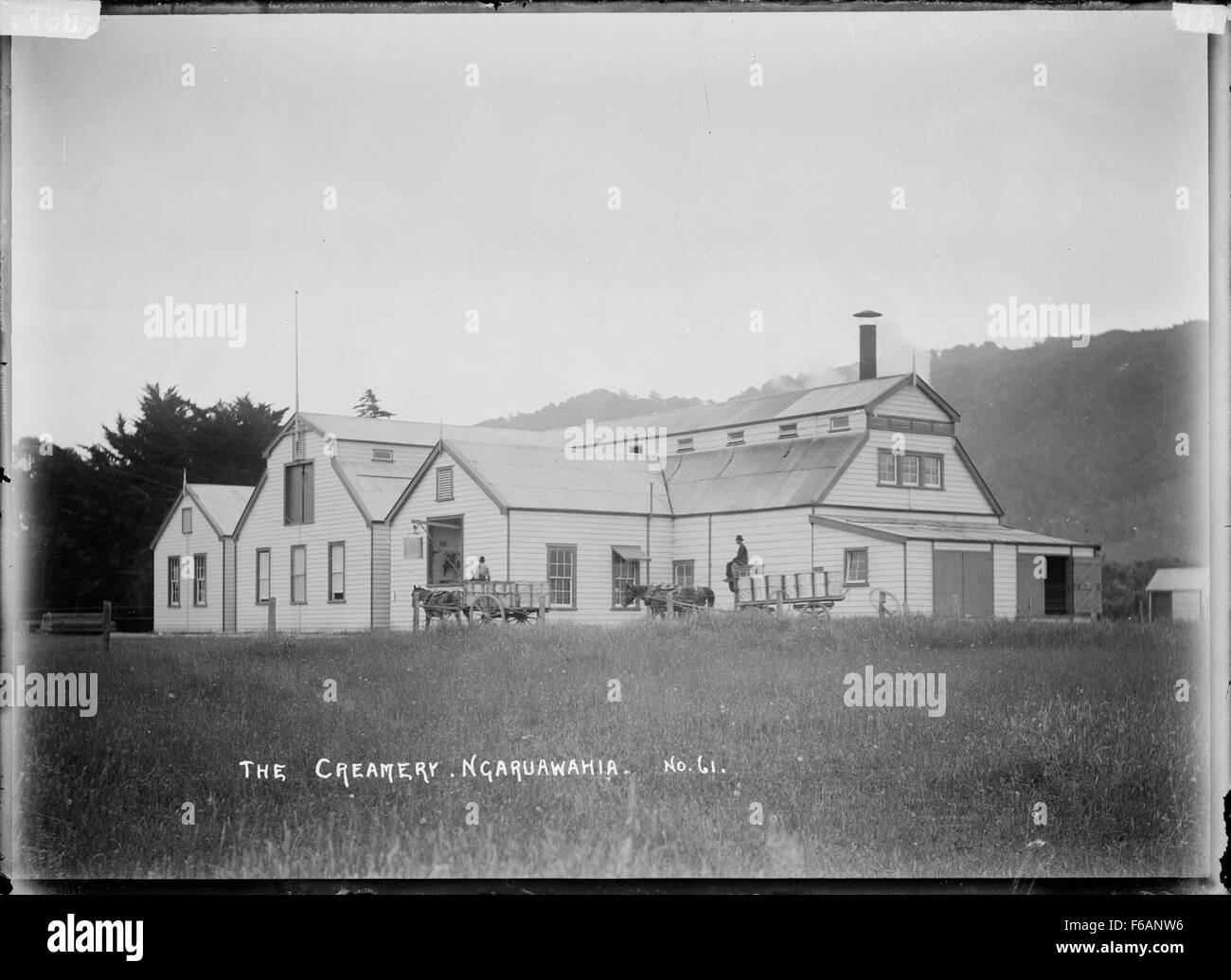
Large macrocarpa trees sheltering a rural dairy in 1910 show the characteristic upward sweep.
Some of our oldest and earliest production exotic timber started to be sawn from these cypresses, as they became too large for comfort after about thirty years. Radiata went on to become a huge scale, mass biomass-producing timber export industry whose history is famous. Macrocarpa chugged along in the background, the home based DIY equivalent. Widely available, it has remained well known and well used in rural areas. It has a reputation as great timber but was often found in the form of old single trees unpruned. These are good for giant tabletop slabs, but not so much for construction. Big trees were always mistrusted by millers back in the day as they could contain nails and lost horseshoes which would ruin the saw.
Sawmillers of the Seventies
By the nineteen-seventies, hobby millers and home builders were rediscovering the wood for fantasy houses and baches. Board and batten vertical macrocarpa cladding came of age. People started planting the species for more production of non-pine timber. Since then we have seen trends for decking and construction emerge, as dissatisfaction grows with pine dominating the local supply of wood. Small scale mills are producing everything from macrocarpa garden edging to rafters and joists. So are the hobbyists whose trees have matured since the 70s and 80s. Seed sources have been selected to move away from buttressed, unruly trunks to more productive, predictably growing trees. Careful long term selections have also been made for trees showing resiliance to canker. The forestry "select seed stand" trees are now different looking, faster growing and have better form than the old random macrocarpas. Despite this you may also benefit from growing seed from a local "superhero" old-school tree, which may have strains of super fast growth or disease resistance. And as Leyland cypress, Ovensi and other trends come and go, macrocarpa has passed the generational test of producing cypress timber all over New Zealand after 28 years.
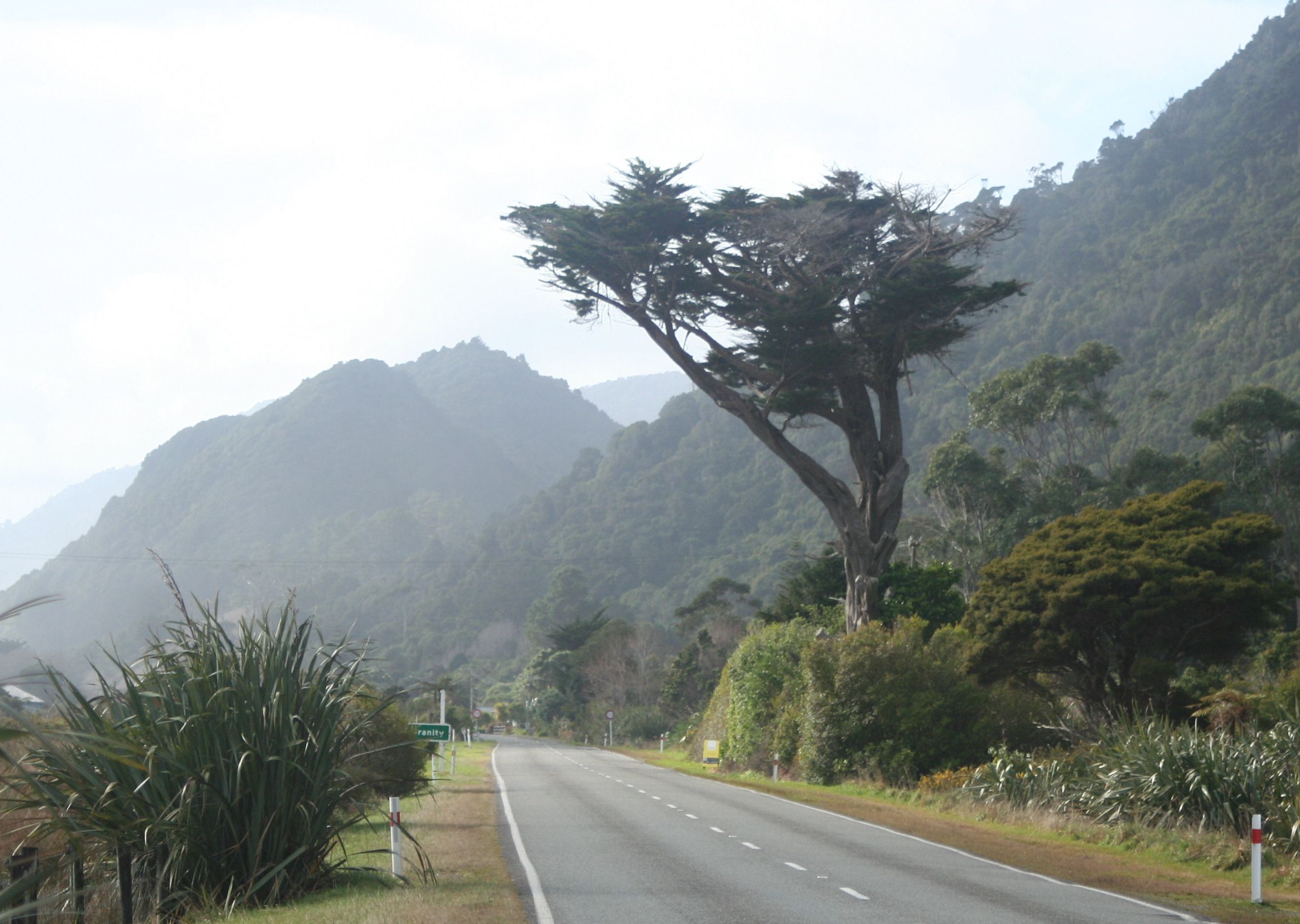
A heritage tree in the open with coastal winds, Granity
Grow Your Own Wood
Hedge your bets and grow a few different sources of macrocarpa and other cypresses, and see what does best in your area. In thirty years you will be milling long beams and fat flitches.
They tend to like it moister rather than drier, and cooler rather than hotter, which is why they love Coastal Otago and such windswept places, perhaps because you can almost see California from there across the Pacific. They won't tolerate snow and heavy frost. (See Lusitanicas ).
But their presence throughout old towns and villages or the rural south and north islands show how this versatile tree is a quiet hero. People consider it an honorary native tree. It fills in for the locals. When all the pine logs have been sold and carted off to far lands to build skyscrapers, we will break out our Macrocarpa logs and mill our children's houses from them. It's one of the first trees people learn to recognise. Macrocarpa: it's almost as Kiwi as Weetbix.
We grow fruit and timber trees in the extreme climate of the South Island. Explore our mail order nursery for organic fruit and forestry trees.
Back to dialatree - and tree blog archive - www.dialatree.co.nz